เสียงพูดสนทนาปกติ ~150 คำ/นาที ช้ากว่า 110 = น่าเบื่อ/อืดอาด, เร็วกว่า 175 = ตามไม่ทันConversational speech is ~150 wpm. Below ~110 feels sluggish; above ~175 is hard to follow.
การนำเสนอที่ดีเป็นอย่างไร & เราวัดผลจากอะไรWhat makes a great presentation — and how we measure it
PosePitch ให้คะแนนตามเกณฑ์ที่อ้างอิงงานวิจัยและองค์กรพัฒนาการพูดที่ได้รับการยอมรับระดับสากล อ่านสั้น ๆ ก่อนเริ่ม แล้วคุณจะรู้ว่า “ดี” หน้าตาเป็นยังไง และต้องโฟกัสอะไรPosePitch scores you against criteria grounded in published research and recognised public-speaking bodies. A 2-minute read so you know what “good” looks like and what to focus on.
เริ่มฝึกเลย →Start practicing →การนำเสนอที่ “มีทักษะ” ประกอบด้วยอะไรWhat a skilled presentation is made of
เสียงและจังหวะ (Voice)Voice & pacing
พูดด้วยความเร็วที่ตามทันได้ เสียงดังฟังชัด มีการเว้นจังหวะ และน้ำเสียงมีชีวิตชีวา ไม่โมโนโทนAn easy-to-follow pace, audible and clear volume, purposeful pauses, and a lively (not monotone) voice.
ภาษากาย (Body language)Body language
ใช้ท่าทางมืออย่างมีจุดหมายในกรอบไหล่–เอว ยืน/นั่งหลังตรง เปิดลำตัวเข้าหาผู้ฟัง และสบตาPurposeful hand gestures in the shoulders-to-waist zone, upright posture, an open body toward the audience, and eye contact.
ความชัดเจน (Clarity)Clarity
เนื้อหามีโครงสร้าง ลดคำเติม (เอ่อ/อืม/um) ตอบคำถามได้ และสื่อสารใจความสำคัญให้ผู้ฟังจดจำได้Structured content, few fillers (uh/um), confident Q&A, and a memorable core message.
เกณฑ์มาตรฐานที่ PosePitch ใช้วัดThe standards PosePitch measures against
แต่ละด้านมี “ช่วงที่ดี” อ้างอิงจากแหล่งที่เชื่อถือได้ — เป้าหมายไม่ใช่ทำให้สุดทุกตัว แต่ทำให้ “พอดี” และเป็นธรรมชาติEach dimension has a research-backed “good” range — the goal isn’t to max everything, but to hit the natural sweet spot.
นักพูดระดับต้น ๆ ใช้คำเติม ≤ 1 ครั้ง/นาที คนทั่วไปเฉลี่ย ~5 ครั้ง/นาที — แทนคำเติมด้วยการหยุดเงียบสั้น ๆTop speakers use ≤1 filler/min; the average person ~5/min. Replace fillers with a short silent pause.
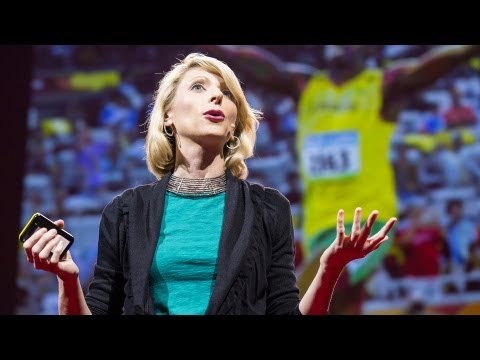
งานวิเคราะห์ TED talks: นักพูดยอดนิยมใช้ท่าทาง ~26 ครั้ง/นาที, นิยมน้อยสุด ~15 ครั้ง/นาที — ขยับน้อย=แข็งทื่อ, ขยับตลอด=กระวนกระวายTED analysis: most-watched speakers gesture ~26×/min, least-watched ~15×/min — too few = stiff, constant = fidgety.
เก็บท่าทางไว้ในกรอบระหว่างไหล่ถึงเอว = ดูมั่นใจ มืออยู่สูงเหนือไหล่ตลอด = ดูก้าวร้าว/เก้งก้างKeep gestures between shoulders and waist = confident; hands held above the shoulders = aggressive/awkward.
การหยุดสั้น ๆ เพื่อเน้นเป็นเรื่องดี แต่เงียบนานเกิน ~3–4 วินาที = dead air (ลืมบท/เสียจังหวะ)Short pauses for emphasis are great, but silence beyond ~3–4s reads as dead air (lost your place).
ดังพอให้คนหลังห้องได้ยิน และคุมระดับให้สม่ำเสมอ ไม่เบาหายหรือดังกระชากLoud enough for the back row, kept steady — not trailing off or spiking.
คะแนนรวมคิดยังไงHow the overall score works
นอกจากนี้ระหว่างฝึก ระบบยังวัด “แบบเรียลไทม์” อีกหลายมิติที่หักคะแนนความมั่นใจสด เช่น การหยุดนานเกินไป และการยกมือสูงหลุดกรอบ เพื่อให้คุณเห็นจุดที่ต้องแก้ทันทีDuring practice we also track real-time signals that lower your live confidence — like long dead-air pauses and hands held out of the strike zone — so you see what to fix instantly.
เคล็ดลับนำไปใช้ได้ทันทีTips you can use right now
- หายใจแล้วหยุด — เปลี่ยน “เอ่อ/อืม” เป็นการหยุดเงียบ 1 วินาที ฟังดูมั่นใจขึ้นทันทีBreathe and pause — swap “uh/um” for a 1-second silent beat; you’ll sound instantly more confident.
- มืออยู่ในกรอบ — ขยับมือช่วงไหล่ถึงเอว ใช้ท่าทางเน้นคำสำคัญ ไม่ใช่ขยับตลอดเวลาStay in the box — gesture between shoulders and waist, emphasising key words, not moving constantly.
- ซ้อมจับเวลา — ตั้งเป้า 130–160 wpm แล้วซ้อมอ่านออกเสียงพร้อมจับเวลาเพื่อหาจังหวะของตัวเองPractice with a timer — aim for 130–160 wpm; read aloud against a clock to find your rhythm.
- มองกล้อง = สบตา — มองเลนส์กล้องเหมือนมองตาผู้ฟัง อย่าก้มอ่านสคริปต์ตลอดLook at the lens — treat the camera as your audience’s eyes; don’t bury your face in notes.
แหล่งอ้างอิงSources
- National Center for Voice and Speech — speaking-rate norms (~150 wpm).
- Science of People (Vanessa Van Edwards) — analysis of TED talk hand gestures (popular speakers ≈465 gestures / 18 min).
- Carmine Gallo — “Talk Like TED” (gesture strike zone, storytelling).
- Toastmasters International — fillers, vocal variety, pauses, projection.
- Quantified Communications — filler-word and delivery benchmarks.
เกณฑ์เหล่านี้เป็น “แนวทาง” ที่อิงค่าเฉลี่ยจากงานวิจัย ไม่ใช่กฎตายตัว — สถานการณ์ต่างกัน (ห้องเรียน/สอบ/เวที) อาจปรับให้เหมาะสมได้These are research-based guidelines, not rigid rules — different contexts (classroom, defense, stage) may call for adjustments.